
Cloud kitchens — delivery-only, multi-brand kitchen operations serving platforms like Talabat, Deliveroo, and Noon Food — have become one of the fastest-growing parts of the UAE’s F&B sector. They have also created a supply chain problem that most operators underestimate until it costs them a rejected delivery or a failed inspection: a cloud kitchen’s logistics needs look nothing like a single restaurant’s, and getting the cold chain wrong at the wrong point in that chain is expensive in ways that are easy to miss until it happens.
This guide is deliberately specific about where refrigerated transport actually fits in a cloud kitchen operation — and where it does not, because a fair amount of confusion in this space comes from assuming chiller vans handle the final hot-meal delivery to the customer. They generally do not.
How Cloud Kitchen Supply Chains Actually Work
A traditional restaurant’s supply chain is linear: ingredients arrive at one site, get prepared, cooked, and served from that same site. A multi-brand cloud kitchen operation is usually built differently, on a hub-and-spoke model.
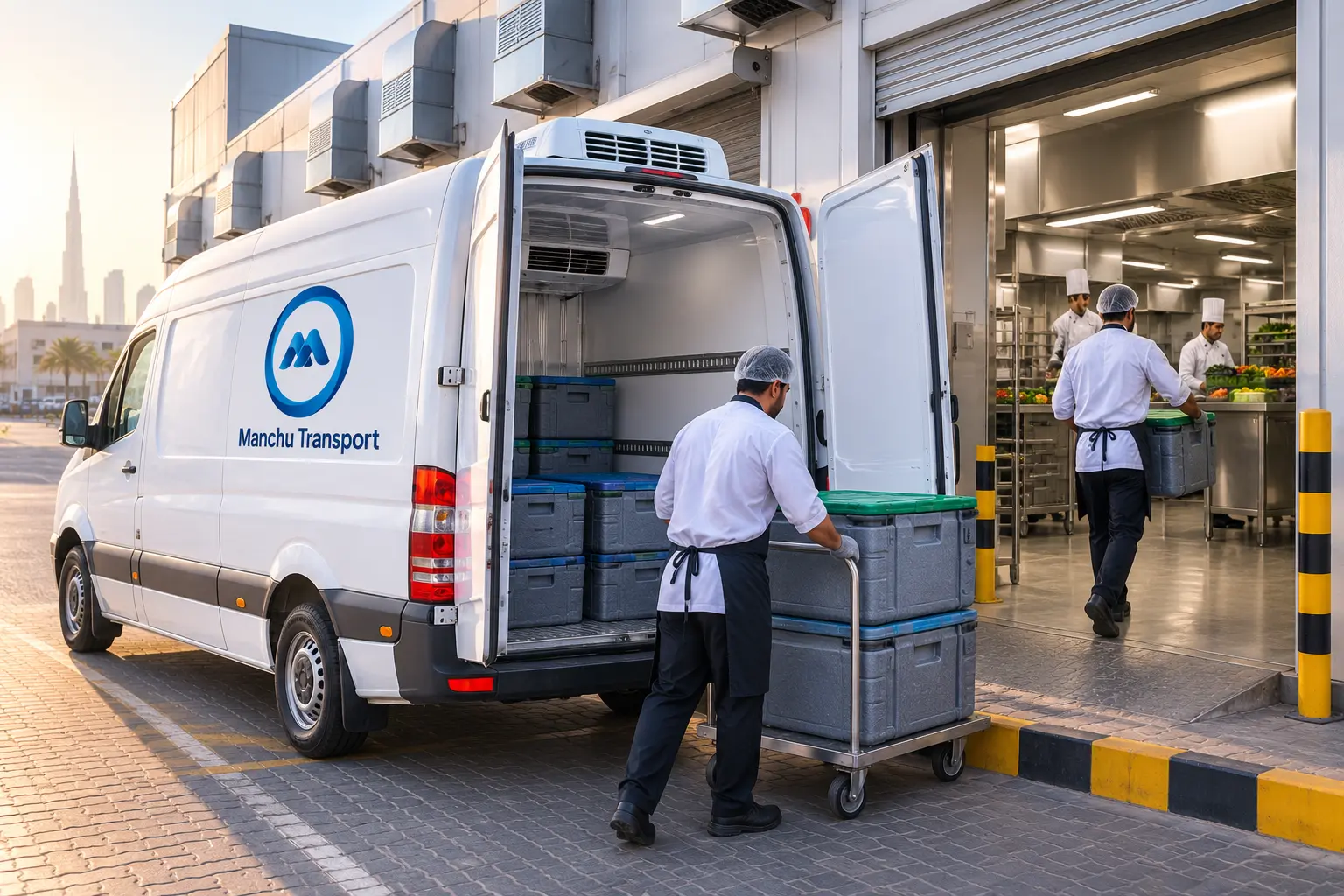
The hub is a central commissary kitchen where raw ingredients arrive in bulk from wholesale suppliers and undergo the heavy, time-consuming preparation work — butchering, chopping, sauce production, bulk cooking — for multiple virtual brands at once. The spokes are smaller satellite finishing kitchens positioned in dense delivery zones. These do not do heavy prep; they receive semi-prepared, temperature-controlled components from the hub and execute the final cooking and assembly when a digital order comes in, so a rider can be handed a finished meal within minutes.
Where a Chiller Van Actually Fits (and Where It Doesn’t)
Last-mile delivery — the leg from a kitchen to an individual customer’s door — overwhelmingly relies on motorbikes with insulated delivery bags, not chiller vans. A rented refrigerated vehicle is the wrong tool for single-order residential delivery: it is not routing-agile enough, and the unit economics do not work for one meal at a time.
Where a rented chiller van or truck genuinely earns its cost in a cloud kitchen operation is upstream and inter-site, in three specific roles:
- Inbound wholesale consolidation — dispatching your own vehicle to collect from suppliers or wholesale markets, rather than depending entirely on a third-party supplier’s delivery reliability. If a supplier’s truck breaks down in UAE summer heat, a commissary kitchen following HACCP discipline has to reject the delivery on arrival — controlling your own inbound run reduces that exposure.
- Hub-to-spoke transfers — moving blast-chilled, semi-prepared ingredients from the central commissary to satellite finishing kitchens, keeping every location stocked ahead of peak delivery hours.
- High-volume B2B catering — corporate lunch contracts and bulk institutional orders that are too large for insulated bike bags and need genuine temperature-controlled transport to the client site.
If your operation is a single brand running from one kitchen with bike-only delivery, you likely do not need a chiller van at all. If you are running a commissary supplying multiple satellite sites, this is exactly the gap rental transport is built for.
Food Safety Compliance for Cloud Kitchen Commissaries
Cloud kitchens are held to the same food safety governance as traditional restaurants — arguably with more scrutiny, given the volume and multi-brand complexity running through a single commissary.
Dubai: DM Permit and FoodWatch
Any vehicle used to transport food commercially between a commissary and a satellite kitchen needs a valid Dubai Municipality Food Transport Vehicle Permit, and the operation needs to be registered on FoodWatch to log supplier verification and temperature data. We break down exactly what the underlying regulatory framework requires from a transport vehicle in our guide to the Dubai Food Code 2.0.
Abu Dhabi: ADAFSA and ASATEEL
For commissary operations extending into Abu Dhabi, the relevant authority is ADAFSA, and any commercial food vehicle also needs active ASATEEL GPS registration through an approved On-Board Unit. See our full ADAFSA Mobile Food Establishment Permit guide for the application process.
Avoiding the Danger Zone: Blast Chilling Before Transport
The single most common and most costly mistake in cloud kitchen logistics is loading hot, freshly cooked food directly into a chiller van. A standard refrigeration compressor is built to maintain the temperature of cargo that is already cold — it is not designed to pull the temperature down from cooking heat. Loading hot food raises the ambient temperature of the entire cargo bay, exposes everything else on board to the Danger Zone, and forces the compressor to run at maximum output until it fails.
The correct sequence is to blast-chill prepared food at the commissary first, bringing the core temperature down before it ever reaches the vehicle, and to insert the temperature probe into the thickest part of the food mass — not just the surface — to confirm it is actually chilled through, not just cold on the outside. Only then should it be loaded into a pre-cooled cargo bay for transfer. We cover the exact legal temperature thresholds for chilled, frozen, and hot-held food in detail in our food holding temperatures guide — the same Danger Zone rules that apply to any commercial food transport apply here.
Why Renting Beats Owning for Cloud Kitchen Operators
Cloud kitchens operate on thin margins after aggregator commissions, which makes them structurally asset-light businesses by necessity. Locking capital into purchasing, insuring, and maintaining a chiller van — plus keeping its DM Permit, FoodWatch registration, and (for Abu Dhabi routes) ASATEEL compliance current — pulls cash away from the things that actually differentiate a cloud kitchen brand: menu development, satellite site expansion, and marketing.
Renting shifts that spend from a large, depreciating capital purchase into a predictable operating cost, and it also shifts the compliance and maintenance burden onto the provider. If a compressor fails during a summer peak, an owned vehicle means your inter-site supply chain stops entirely until it is repaired. A rental partner with a same-day replacement policy means a stalled hub-to-spoke transfer is a phone call, not a logistics crisis. It also gives commissary operators the ability to scale transport capacity up during demand surges — Ramadan and the cooler winter months typically see the sharpest jump in cloud kitchen order volume — and back down again without carrying idle vehicles the rest of the year. Our monthly vs daily rental comparison and self-drive vs with-driver guide cover how to structure a rental agreement around exactly this kind of variable demand.
Secure Your Commissary-to-Satellite Cold Chain
Manchu Transport supplies DM Permit and ADAFSA-compliant chiller vans for inbound wholesale runs, hub-to-spoke transfers, and B2B catering delivery across Dubai and Abu Dhabi, available daily, weekly, or monthly, with or without a certified driver. Explore our chiller van rental Dubai and chiller van rental Abu Dhabi pages, or request a quote with your commissary and satellite site locations and we will map the right vehicle and schedule to your actual delivery windows.
Frequently Asked Questions
Do cloud kitchens use chiller vans for delivering food to customers?
Rarely. Last-mile, single-order delivery in the UAE is almost entirely handled by motorbikes with insulated delivery bags. Chiller vans are used for bulk B2B logistics — supplier collection, inter-site transfers between commissary and satellite kitchens, and large corporate catering orders.
What permits does a cloud kitchen need for its transport vehicles in Dubai?
Any vehicle transporting food commercially needs a valid Dubai Municipality Food Transport Vehicle Permit, and the operation must be registered on the FoodWatch platform to log supplier verification and temperature data.
Does ADAFSA apply to cloud kitchens operating in Abu Dhabi?
Yes. Commissary and satellite operations extending into Abu Dhabi fall under ADAFSA’s food safety framework, and transport vehicles need ASATEEL GPS registration in addition to the relevant food transport permit.
Why shouldn’t hot food go straight into a chiller van?
A standard refrigeration unit is designed to hold cold cargo at temperature, not to pull hot food down to a safe temperature. Loading hot food raises the temperature of the whole cargo bay and puts every other item on board into the Danger Zone. Food should be blast-chilled at the commissary before it is loaded.
Is it cheaper for a cloud kitchen to buy its own delivery fleet or rent?
For most cloud kitchen operators, renting is the more capital-efficient option, since it avoids tying up cash in a depreciating asset and shifts vehicle maintenance, compliance renewal, and breakdown risk onto the rental provider — which matters most during demand spikes like Ramadan or winter peak season.
What is a hub-and-spoke model in cloud kitchen logistics?
It is a supply chain structure where a central commissary kitchen handles bulk ingredient preparation for multiple brands, then transfers semi-prepared, temperature-controlled components to smaller satellite finishing kitchens, which handle final cooking and last-mile dispatch.
Regulatory requirements and typical demand patterns can change — confirm current DM, FoodWatch, and ADAFSA requirements directly before finalising your commissary and satellite site logistics plan.
Need Reliable Refrigerated Transport?
Get a free quote for chiller van, truck, or trailer rental in Dubai and across the UAE.
Get a Free QuoteRecommended Services
Our Refrigerated Transport Services
Choose the vehicle that matches your route, payload, and temperature requirements.
 Abu Dhabi
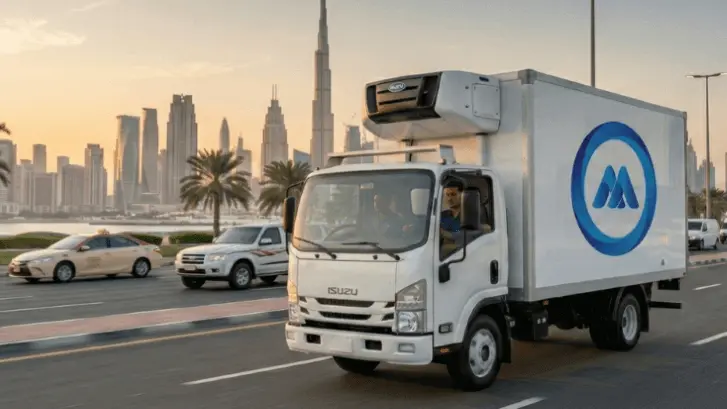
Chiller Truck Rental Abu Dhabi
ADAFSA and ASATEEL-compliant truck rentals for Mussafah, KIZAD, Khalifa City, and Al Ain.
View Service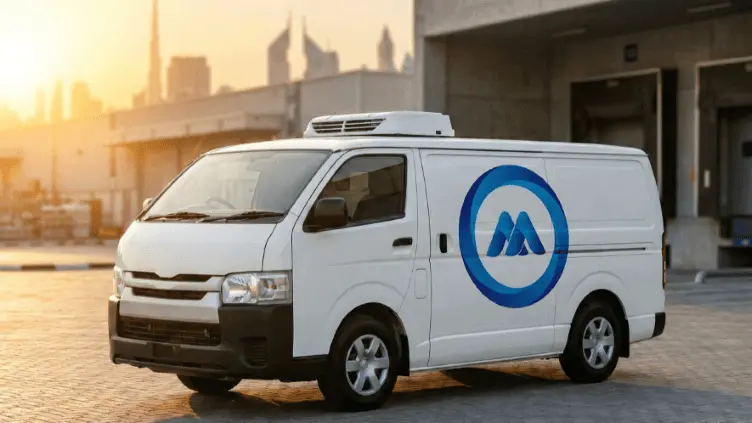 Last-Mile
Chiller Van Rental Dubai
1-Ton and 1.5-Ton chiller vans for last-mile cold chain, catering, and pharmacy routes.
View Service
Dubai
Chiller Truck Rental Dubai
3-Ton to 10-Ton refrigerated trucks for supermarket, pharma, and wholesale distribution.
View Service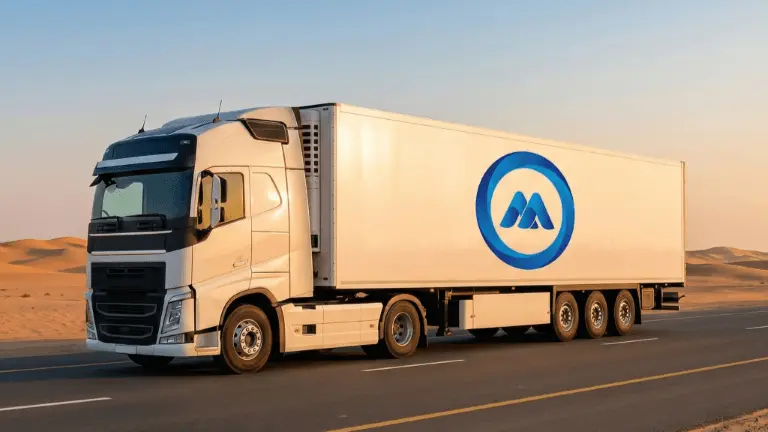 Cross-Border
Chiller Trailer Rental Dubai
20-Ton and 25-Ton reefer trailers for port clearances, warehouse transfers, and GCC routes.
View Service